
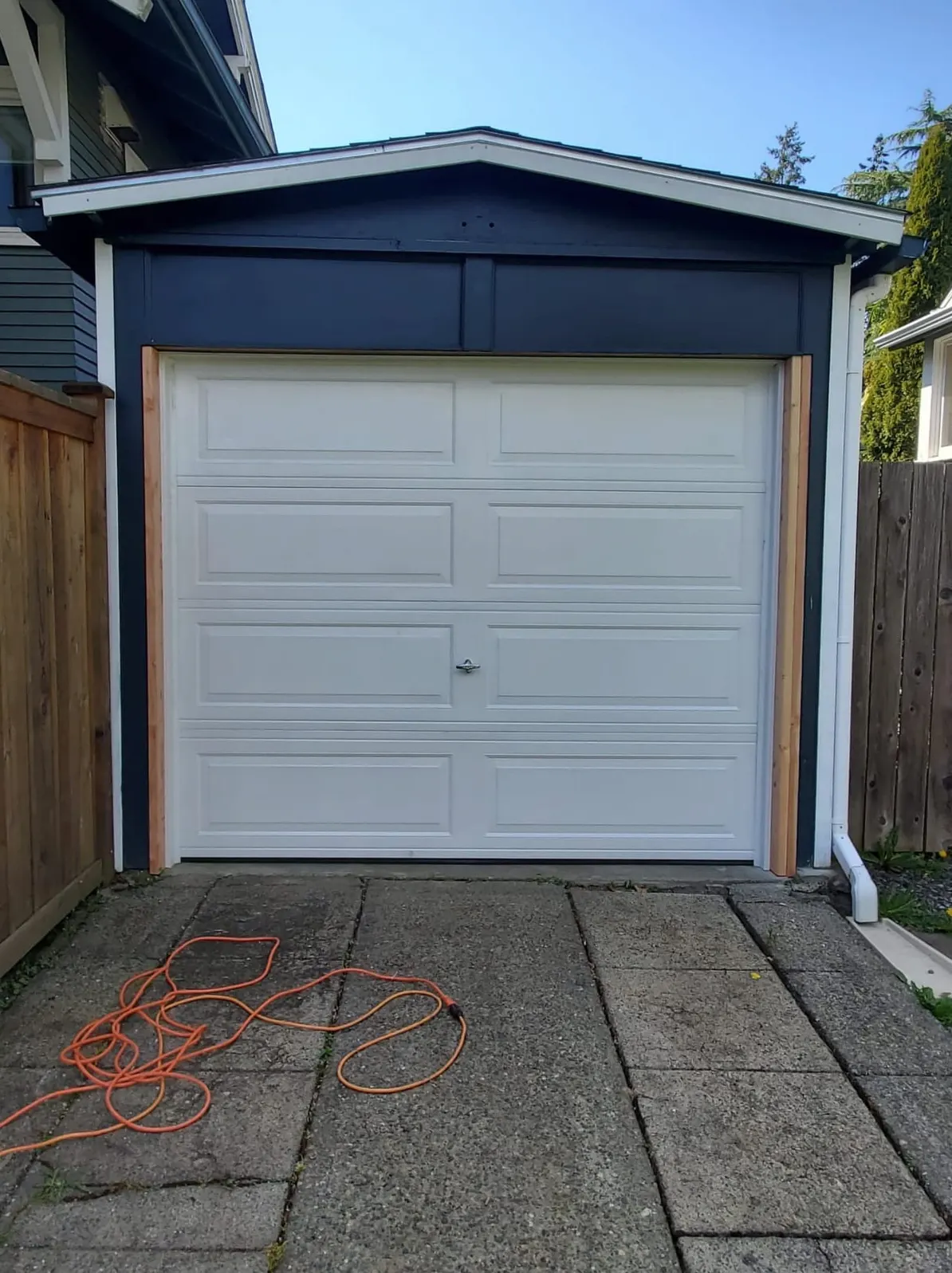
Short Answer: Yes, It's Real
A leaky garage door lets outside heat and humidity into an attached garage, and that garage wall shares space with your living area, your water heater, or your laundry room. When that shared space swings hot, your HVAC system works harder to keep the rest of the house comfortable. It's not imaginary, and it's not just about the garage itself feeling miserable in August. Now let's earn that answer so the argument actually stays settled.
How a Garage Door Leak Turns Into a Utility Bill Problem
An attached garage isn't a sealed box. It has at least one wall, and often a ceiling, touching conditioned living space. If the garage runs 15-20 degrees hotter than the house because the door is leaking air around the edges, that heat doesn't stay put. It moves through the shared wall, through ductwork that often runs through the garage, and through the door into the house itself if there's a passage door.
In this part of Florida, the bigger issue most months isn't just temperature, it's humidity. Hot, humid air pushing in through door gaps raises moisture levels in the garage, which then migrates inward. Your AC isn't just fighting heat, it's fighting moisture load too, which is a less efficient, more expensive job for the system.
Where the Leaks Actually Come From
- Bottom seal (astragal): cracked, flattened, or torn rubber lets air, water, and even small pests through the biggest gap on the door.
- Side and top weatherstripping: brittle or pulled-away seals along the jambs, often from UV exposure and years of humidity swings.
- Panel gaps from warping: humidity and afternoon downpours cause wood and even some steel-faced doors to swell or shift slightly, opening small gaps that weren't there when the door was new.
- Off-track or misaligned doors: a door that isn't sitting square in its frame will never seal evenly, no matter how new the weatherstripping is.
How Much Does This Actually Move the Needle?
This varies a lot by house, insulation level, and how much ductwork or shared wall is involved, so there's no honest single number to quote. But the mechanism is well understood: uninsulated or leaky garages commonly run significantly hotter than outside air in summer, and that heat load transfers into adjacent rooms through walls and ducts. Homeowners who seal and insulate a leaky garage door typically see a noticeable, if modest, drop in how hard their AC runs during peak afternoon heat, plus less humidity creeping into laundry rooms and hallways next to the garage.
What to Check Before You Call Anyone
- Daylight test: Close the door in daytime and look for light coming through at the bottom, sides, or top. Any visible gap is air moving freely both directions.
- Touch test: Run your hand along the weatherstripping. If it's hard, cracked, or flattened instead of springy, it's not sealing.
- Humidity check: If tools, cardboard, or stored fabric in the garage feel damp or musty after a stretch of afternoon storms, moisture is getting past the door.
- Rust check: Look at hinges, hardware, and the bottom edge of the door for early rust, especially if you're closer to the coast. Rust forming on hardware is a sign moisture is sitting against metal more than it should.
The Trade-Offs Worth Knowing
Replacing weatherstripping and the bottom seal is the cheapest fix, typically a parts-and-labor job in the lower hundreds of dollars range nationally, and it solves most of the air-leak problem on its own. Adding garage door insulation panels helps with temperature swings but does less for air sealing if the seals themselves are shot. If the door is warped, off-track, or the panels no longer sit flush, sealing alone won't fix it, the door needs structural correction or replacement before weatherstripping will do its job.
When to Call Branford Garage Door
If the daylight test shows gaps everywhere, or the door doesn't sit flush no matter how you adjust it, that's usually more than a weatherstripping job. Our Garage Door Maintenance & Tune-Up service checks seals, hardware, and alignment together, so you're not just patching one symptom while another leak stays hidden. If the door is warped, off-track, or old enough that sealing won't solve the underlying shape problem, we'll walk you through whether Garage Door Installation & Replacement makes more sense than repeated patch jobs.
If you're in Branford, Live Oak, Mayo, O'Brien, Fort White, Wellborn, McAlpin, or Lake City and want a straight answer on whether your door is actually costing you money, give Branford Garage Door a call. We'll tell you what's worth fixing and what isn't.